
A concussion is a form of mild traumatic brain injury caused by a blow, jolt, rapid acceleration-deceleration force, or sudden movement that disrupts normal brain function.
The brain can be injured even when the skull is not fractured and even when a person does not lose consciousness.
During a concussion, the force of the impact may stretch or strain brain cells, disrupt chemical signaling, and temporarily affect how the brain processes information.
These changes can lead to symptoms involving memory, concentration, balance, vision, mood, sleep, and physical coordination.
Standard CT scans or MRIs may appear normal after a concussion because the injury often affects brain function rather than causing a visible structural injury.
That does not mean the injury is minor or imagined.
Many people experience symptoms that interfere with work, school, driving, screen use, exercise, and ordinary daily activities.
Some recover within days or weeks, while others develop persistent symptoms that require follow-up care, neurological evaluation, vestibular therapy, vision therapy, cognitive rest, or other medical treatment.
Concussion injury claims present unique challenges because the injury often affects how a person thinks, feels, and functions rather than producing obvious physical signs.
A victim may have severe headaches, dizziness, memory problems, concentration difficulties, sleep disruption, mood changes, or visual disturbances despite appearing outwardly healthy.
Unlike a broken bone that can be confirmed on an X-ray, concussion symptoms are frequently documented through medical evaluations, neurological assessments, symptom reports, treatment records, and observations from physicians, family members, coworkers, and others who have witnessed changes in the person’s behavior or abilities.
Insurance companies often scrutinize concussion claims more aggressively than claims involving visible injuries.
Adjusters may argue that symptoms are subjective, that diagnostic imaging was normal, that the symptoms were caused by a preexisting condition, or that the injury should have resolved more quickly.
Delayed symptom onset can create additional disputes when headaches, cognitive problems, balance issues, or other symptoms do not fully develop until days after the accident.
For these reasons, consistent medical treatment and thorough documentation are often critical to establishing both the existence of the injury and its connection to the accident.
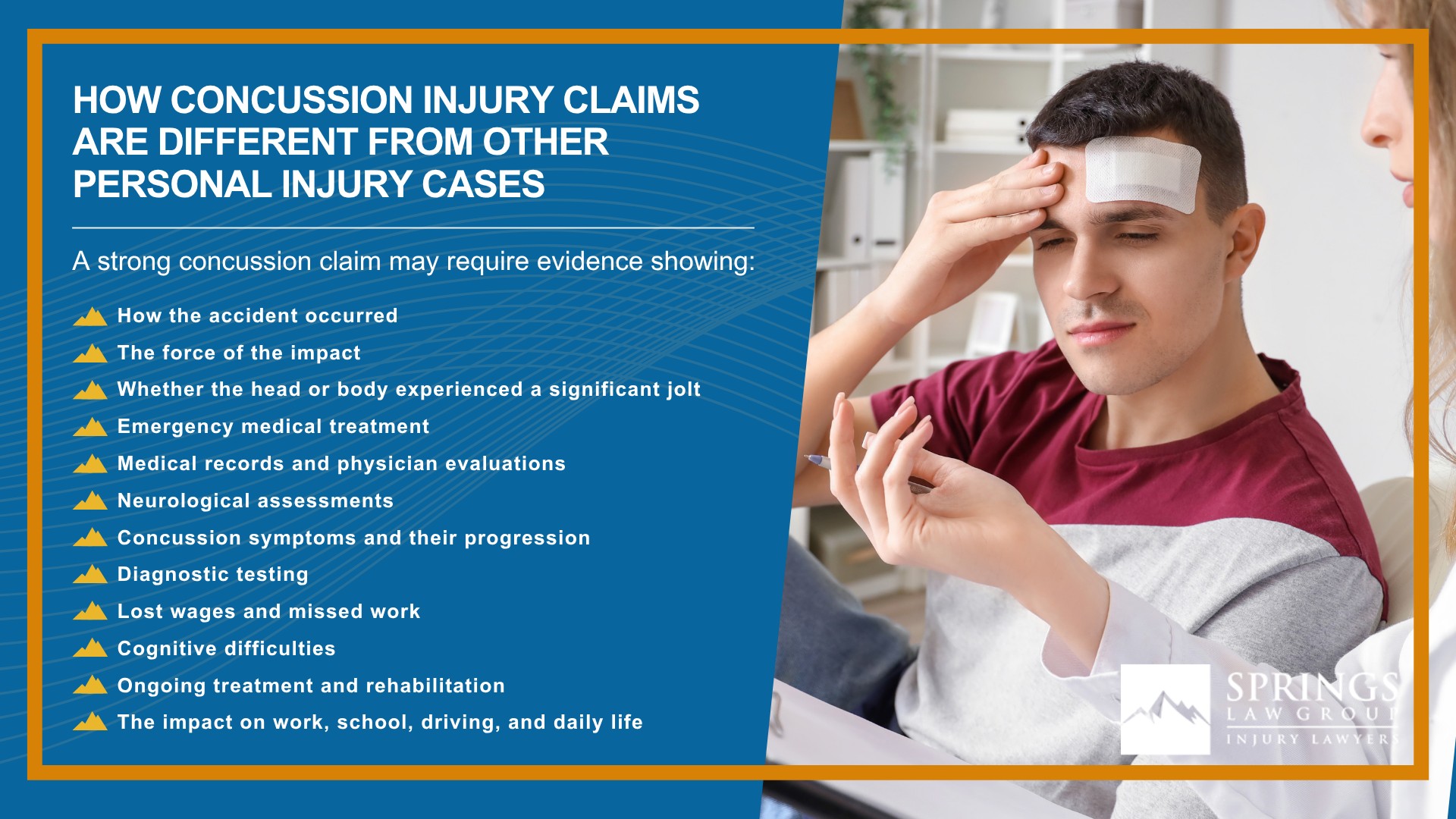
A strong concussion claim may require evidence showing:
Because concussion symptoms can affect nearly every aspect of a person’s daily functioning, documenting the injury involves more than proving that an accident happened.
A successful claim often depends on demonstrating how the concussion changed the victim’s ability to work, think, sleep, communicate, perform routine tasks, and participate in normal activities.
Springs Law Group works to build that record through medical evidence, witness observations, employment records, and other documentation that reflects the full impact of the injury.
Concussions can happen in many different types of accidents.
In Colorado Springs, concussion claims often involve motor vehicle accidents, falls, sports injuries, workplace accidents, and unsafe property conditions.
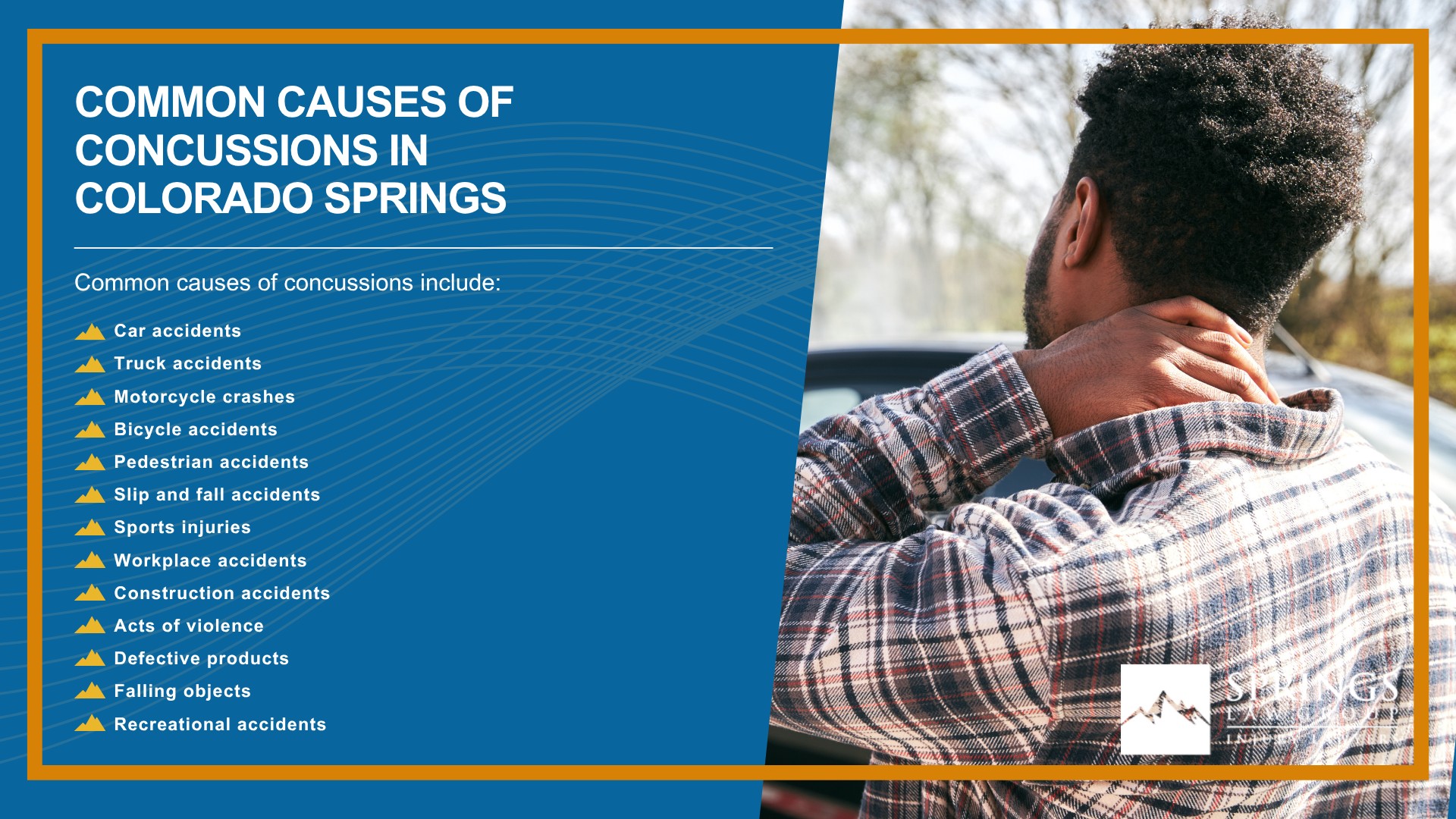
Common causes of concussions include:
A head injury can occur even without a direct blow to the head.
The force of a car crash, fall, or sudden stop can cause the brain to move inside the skull and affect brain tissue.
Springs Law Group investigates the cause of the injury, who may be responsible, and what evidence is needed to pursue compensation for the harm caused by the accident.
Car accidents are a common cause of concussion and other types of traumatic brain injury.
A concussion may occur when a person’s head strikes a window, steering wheel, headrest, airbag, dashboard, or another object.
It may also occur when the head and neck are thrown forward and backward during the crash.
Concussion claims may arise from:
A car accident can also cause more severe brain injuries, including a severe TBI, brain bleed, diffuse axonal injury, axonal injuries, skull fracture, anoxic brain injury, or permanent brain damage.
Those injuries may require emergency surgery, extensive rehabilitation, and long-term care.
A traumatic brain injury attorney can help evaluate the medical evidence, insurance coverage, and liability issues in a car accident claim involving a concussion or more severe injury.
Concussion symptoms can affect the body, thinking, emotions, and sleep.
Some symptoms appear immediately, while others become clearer after the accident victim returns home or tries to resume normal activity.
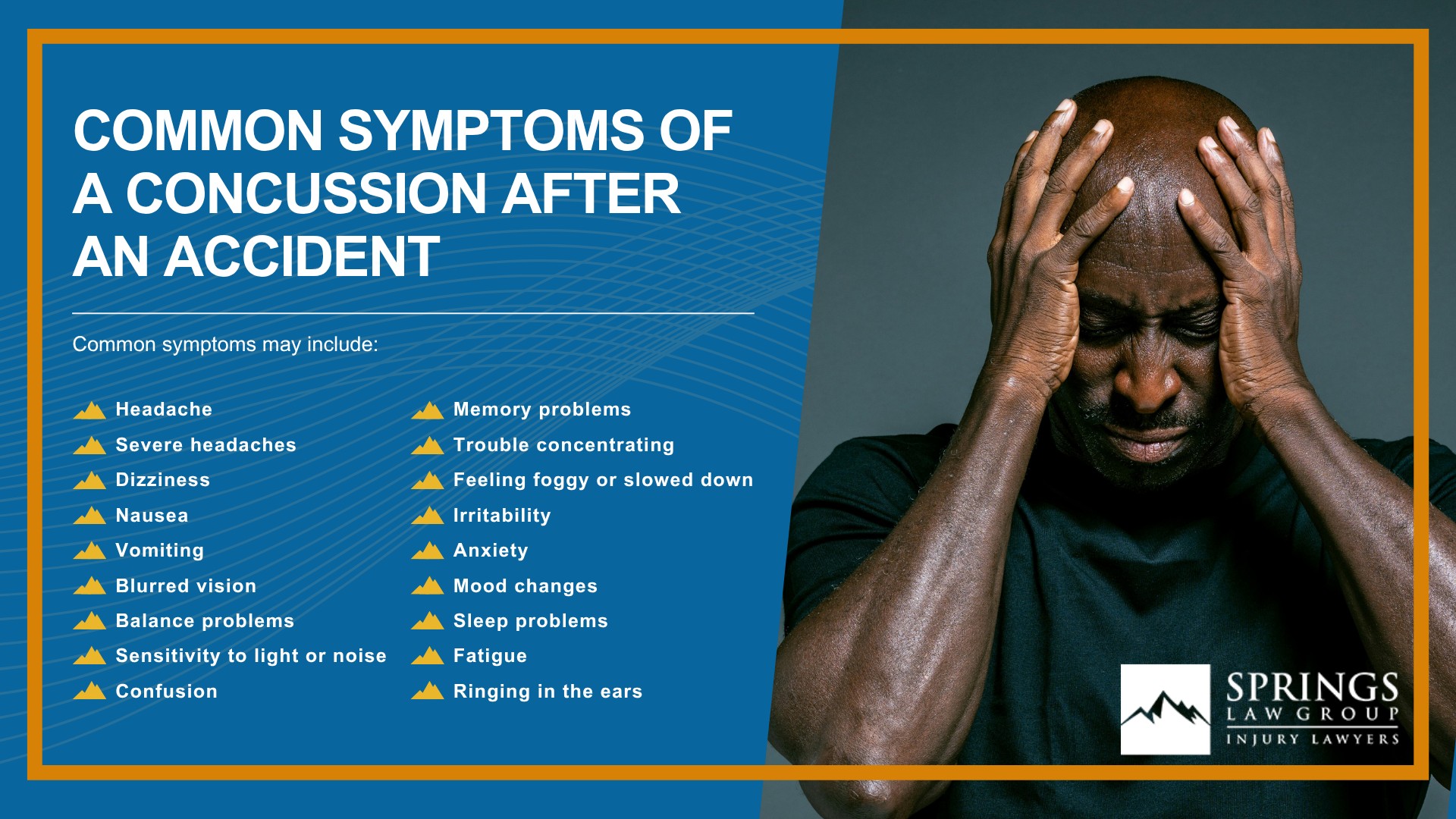
Common symptoms may include:
Some traumatic brain injury symptoms may overlap with neck injuries, emotional distress, medication effects, or other medical conditions.
Because of that, injury victims should seek medical attention after any accident involving head trauma, confusion, loss of consciousness, or symptoms that worsen over time.
Medical records from early treatment can become important evidence in a brain injury case.
Concussion symptoms can appear hours or days after an injury.
Shock, adrenaline, inflammation, fatigue, stress, and the body’s response to trauma may make symptoms harder to notice at the scene.
Delayed symptoms do not mean the injury is minor or unrelated.
A person may leave the accident scene feeling stable, then develop chronic headaches, blurred vision, dizziness, sleep changes, memory problems, or cognitive issues later.
You should seek medical attention if symptoms develop after a car accident, fall, sports injury, or other head injury.
Immediate medical attention is especially important if symptoms include worsening headaches, repeated vomiting, confusion, weakness, seizure, unequal pupils, or loss of consciousness.
A brain injury attorney can help document delayed symptoms and respond if the insurance company argues that the concussion was not caused by the accident.
A concussion is often described as a mild traumatic brain injury, or mild TBI.
The word “mild” refers to the initial medical classification, not necessarily the effect on the person’s life.
A mild TBI can still affect brain function, work, school, driving, sleep, mood, and relationships.
Some concussion victims recover within a relatively short time, while others need prolonged medical treatment, physical therapy, occupational therapy, vestibular therapy, or cognitive rest.
Types of traumatic brain injuries range from mild concussion to severe brain injuries.
Other types may include diffuse axonal injury, anoxic brain injury, penetrating injury, penetrating head injury, skull fracture, brain bleed, or severe TBI.
A mild traumatic brain injury claim should still be taken seriously when symptoms interfere with daily life.
Springs Law Group helps clients document how the injury occurred, what symptoms developed, what medical care was needed, and how the concussion affected the client’s recovery.
Post-concussion syndrome can occur when concussion symptoms last longer than expected.
A person may continue to experience headaches, dizziness, fatigue, memory problems, mood changes, sleep disruption, blurred vision, or trouble concentrating after the initial injury.
Post-concussion syndrome can affect the ability to work, drive, care for family, exercise, and manage daily responsibilities.
Some accident victims need ongoing treatment from a physician, neurologist, physical therapist, occupational therapist, vestibular therapist, or other specialists.
A claim involving post-concussion syndrome may require detailed medical evidence because the symptoms can be difficult for others to see.
Springs Law Group works to document the diagnosis, recovery process, treatment needs, lost wages, and daily life disruption caused by the injury.
Liability depends on how the concussion occurred.
If someone else’s negligence caused the accident, that person or company may be responsible for the resulting brain injury.
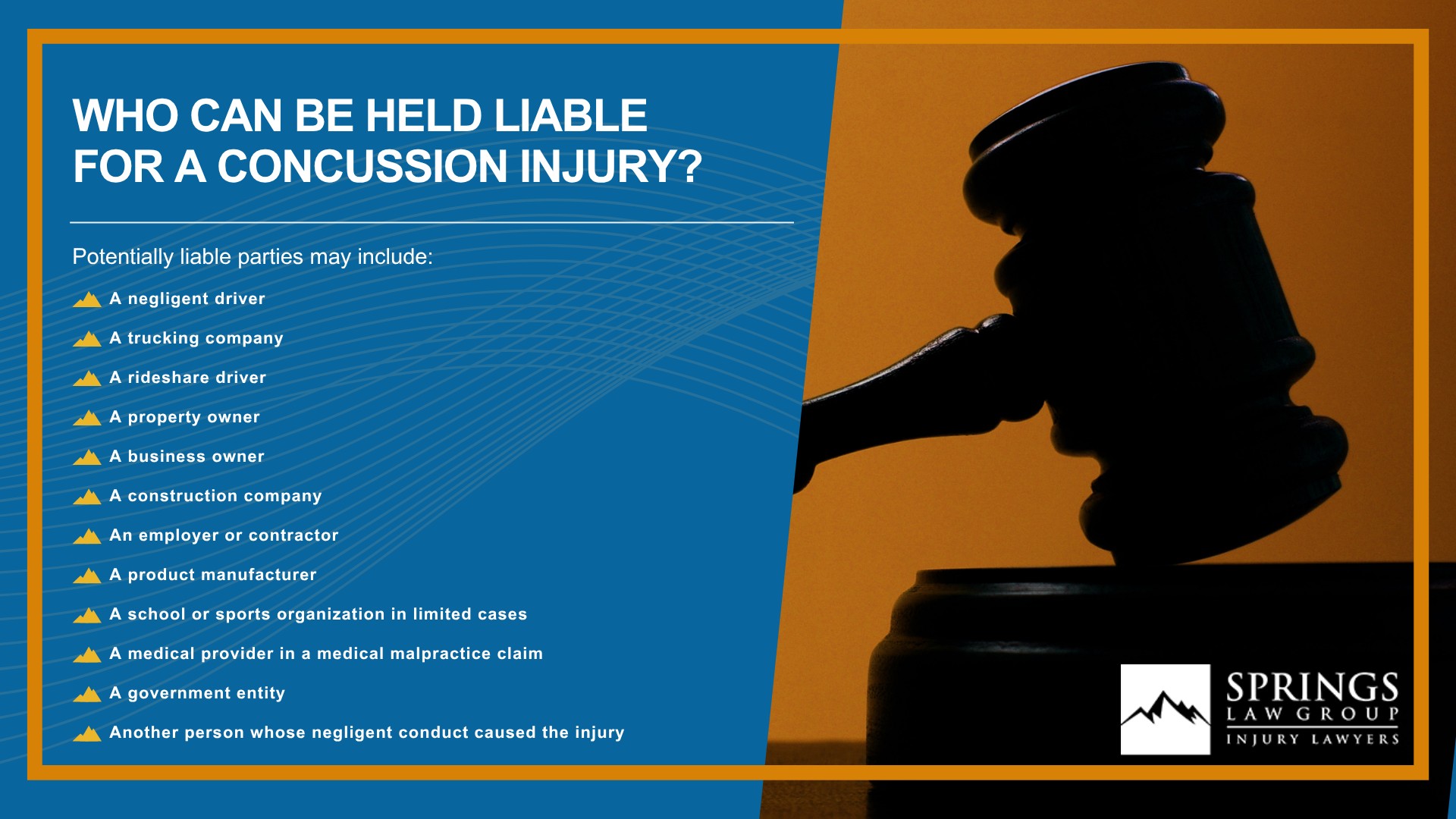
Potentially liable parties may include:
A driver may be liable if a car accident caused the concussion.
A property owner may be responsible if unsafe conditions caused a fall.
A medical provider may be liable if medical malpractice caused or worsened a brain injury.
Springs Law Group investigates who caused the accident, what duty of care applied, and what evidence is needed to hold the responsible party accountable.
A concussion injury claim requires a thorough investigation of both the accident and the medical evidence.
Springs Law Group reviews how the injury occurred, who may be responsible, and how the concussion affected the client’s life.
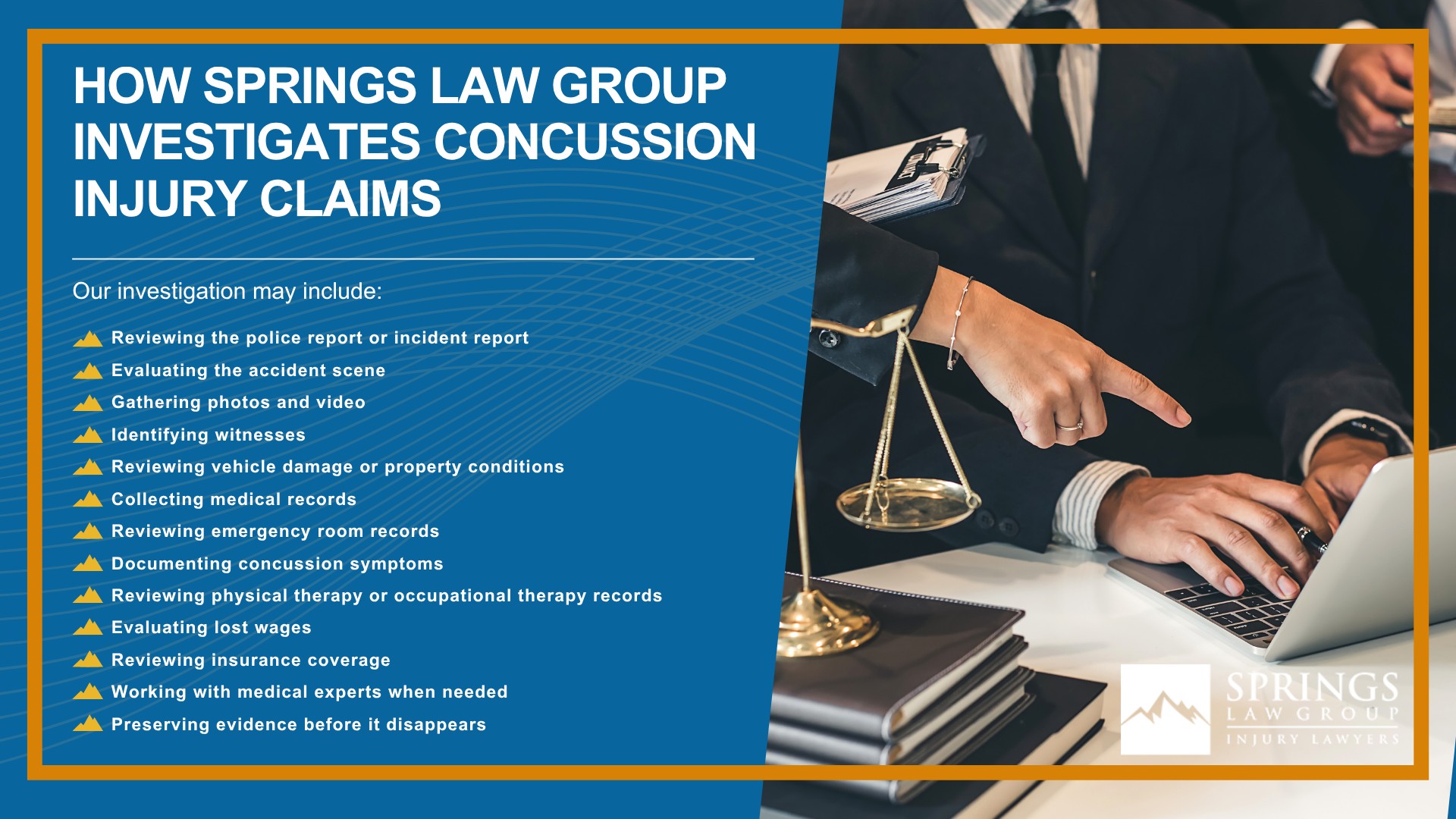
Our investigation may include:
Insurance companies often challenge brain injury claims when symptoms are not obvious.
Springs Law Group builds the record carefully so the claim reflects the actual harm, not the insurance company’s assumptions.
Evidence is important in any personal injury case, but it is especially important in a brain injury case.
A concussion may not be visible, so documentation helps prove how the injury occurred and how it affected the victim.
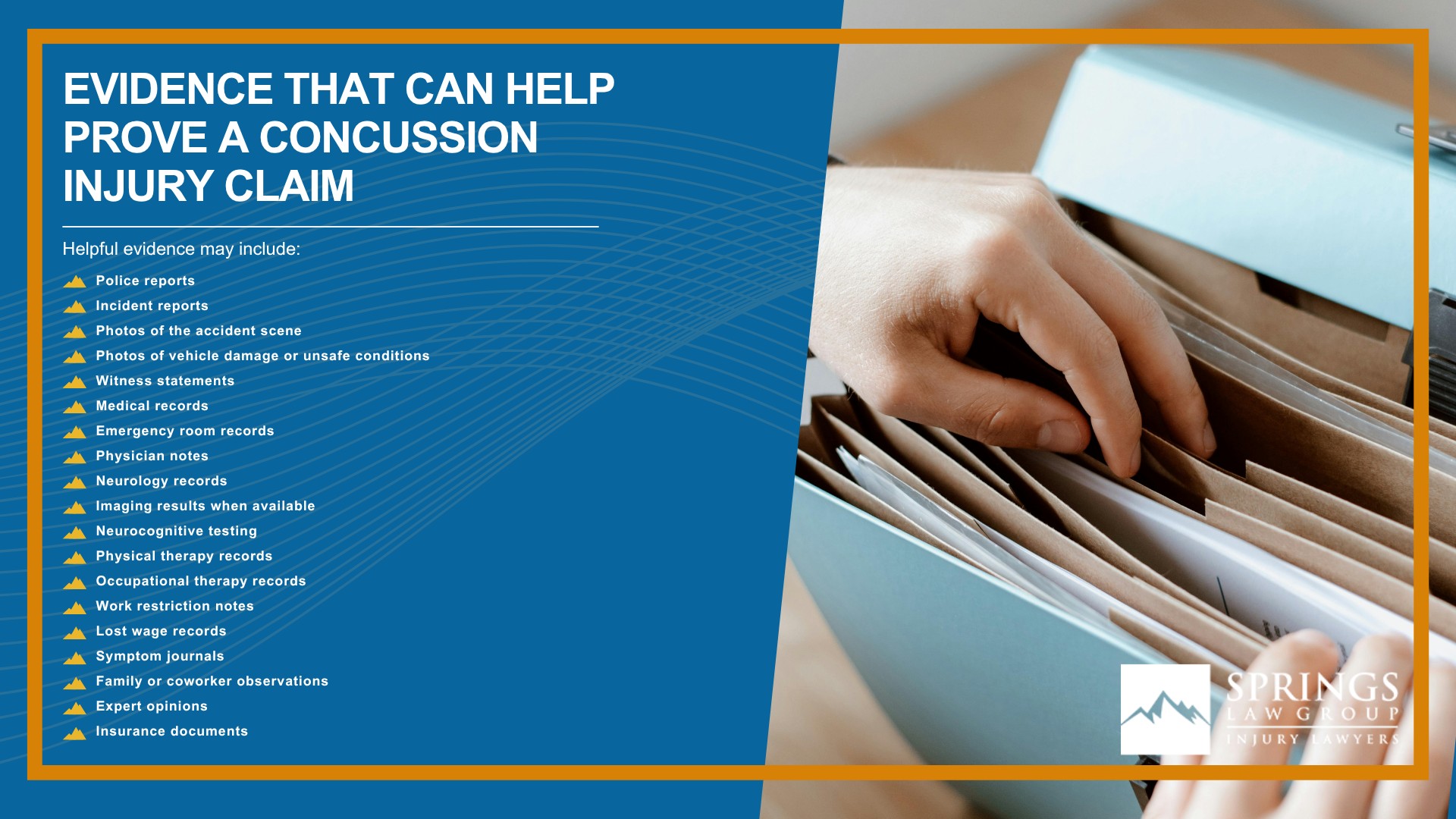
Helpful evidence may include:
Medical evidence can help connect the concussion to the accident and show the recovery process.
Records showing headaches, blurred vision, confusion, memory problems, sleep disruption, or cognitive issues can support the claim.
A head injury lawyer can help gather and organize evidence so the insurance company understands the full impact of the injury.
Medical treatment after a concussion depends on the symptoms, severity, and recovery timeline.
Some concussion victims need rest and monitoring.
Others need specialist care, therapy, medication, or extended treatment for persistent symptoms.
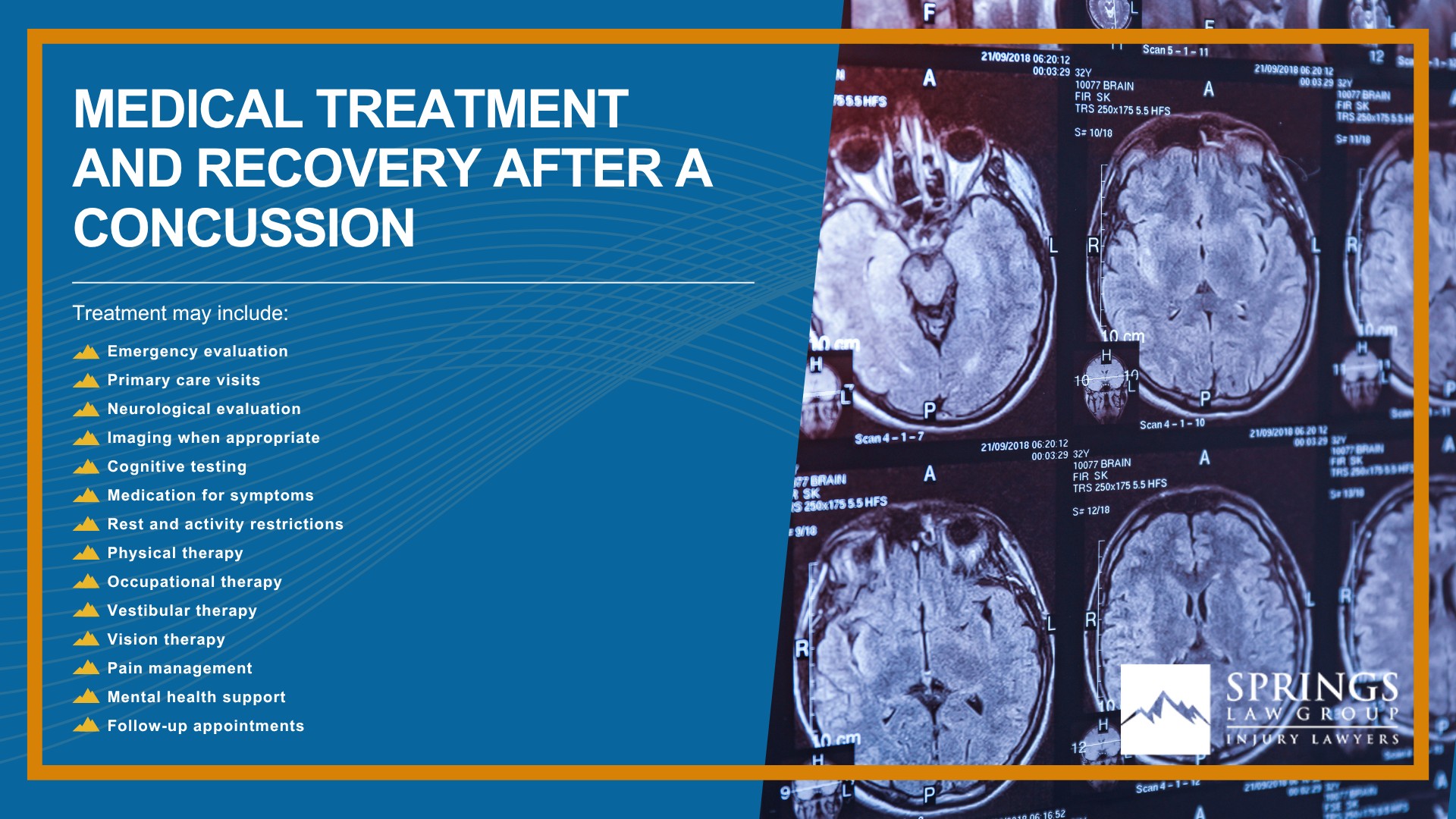
Treatment may include:
Some people recover quickly, while others experience symptoms for weeks, months, or longer.
Recovery can depend on the initial injury, prior head trauma, age, health, symptom severity, medical care, and whether the person avoids another head injury during recovery.
A Colorado Springs concussion lawyer can help document medical treatment, future care needs, and the financial impact of the injury.
If someone else’s negligence caused your concussion, you may be able to pursue compensation through a personal injury claim.
The value of the claim depends on the injury severity, medical treatment, lost wages, long-term symptoms, and how the concussion affects your life.
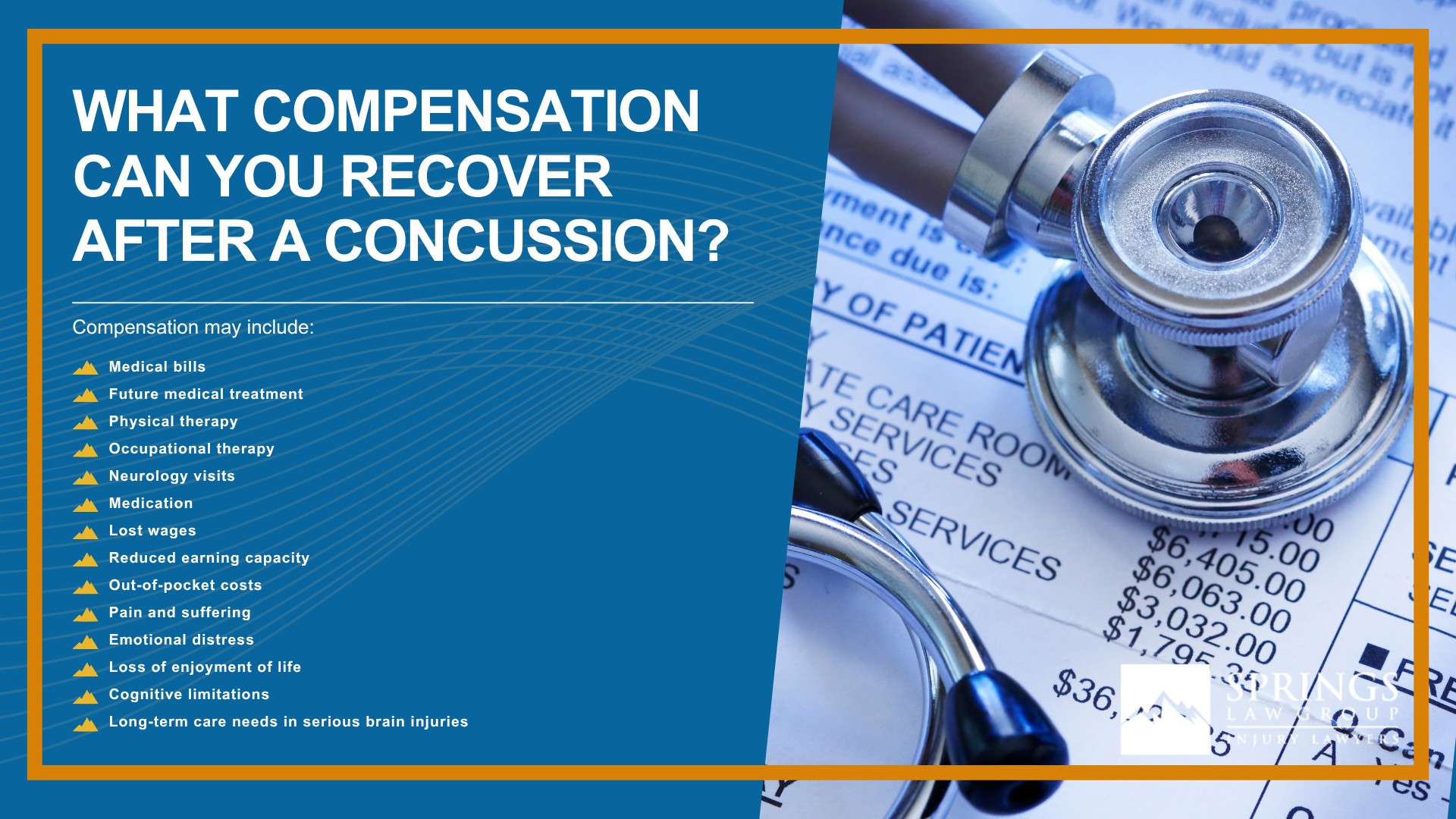
Compensation may include:
A fair compensation claim should reflect more than the first medical bill.
It should account for the full effect of the brain injury, including ongoing symptoms, work disruption, and the personal impact of the injury.
Springs Law Group works to pursue full and fair compensation based on the facts, medical records, and available insurance coverage.
A concussion can affect a person’s ability to work even when the injury is not visible.
Headaches, light sensitivity, dizziness, fatigue, memory problems, and trouble concentrating can make it difficult to perform job duties safely.
Lost wage damages may include:
Daily life may also change.
A concussion victim may struggle with driving, screen time, childcare, exercise, social activities, household tasks, or sleep.
Springs Law Group documents lost wages and daily life disruption with medical records, employer records, witness statements, and other evidence showing how the injury affected the client.
Insurance companies frequently challenge concussion claims because the injury is often difficult to see and measure compared to other types of accident injuries.
A victim may experience debilitating headaches, memory problems, dizziness, concentration difficulties, fatigue, sleep disturbances, or mood changes despite having no visible wound and no obvious abnormality on standard imaging studies.
Adjusters know that many concussion symptoms rely on clinical evaluations and patient reporting, which can make these cases a common target for dispute.
Several recurring defenses appear in concussion injury claims.
An insurance company may argue that the accident was too minor to cause a brain injury, that normal CT or MRI results prove the victim was not seriously hurt, or that the symptoms were caused by a preexisting medical condition rather than the accident. Delayed symptom onset often becomes another point of contention.
When headaches, cognitive issues, balance problems, or vision changes develop days after the incident, insurers may attempt to disconnect those symptoms from the original injury.
Insurance companies may also question whether treatment was necessary, whether recovery should have occurred more quickly, or whether the victim is exaggerating symptoms.
In some cases, adjusters focus on gaps in treatment, missed appointments, prior head injuries, mental health history, or unrelated medical conditions in an effort to reduce the value of the claim.
These arguments can be especially problematic when a concussion affects a person’s ability to work, study, drive, or perform routine daily activities.
Common insurance company tactics include:
Strong medical documentation is often the most effective response to these defenses.
Medical records, neurological evaluations, symptom histories, treatment records, work restrictions, family observations, and expert opinions can help demonstrate how the concussion affected the victim and why compensation is justified.
Springs Law Group works to build that evidence and present a clear picture of the injury when insurers attempt to minimize or deny a legitimate claim.
If you think you suffered a concussion, seek medical attention immediately.
A concussion can be serious even if you did not lose consciousness.
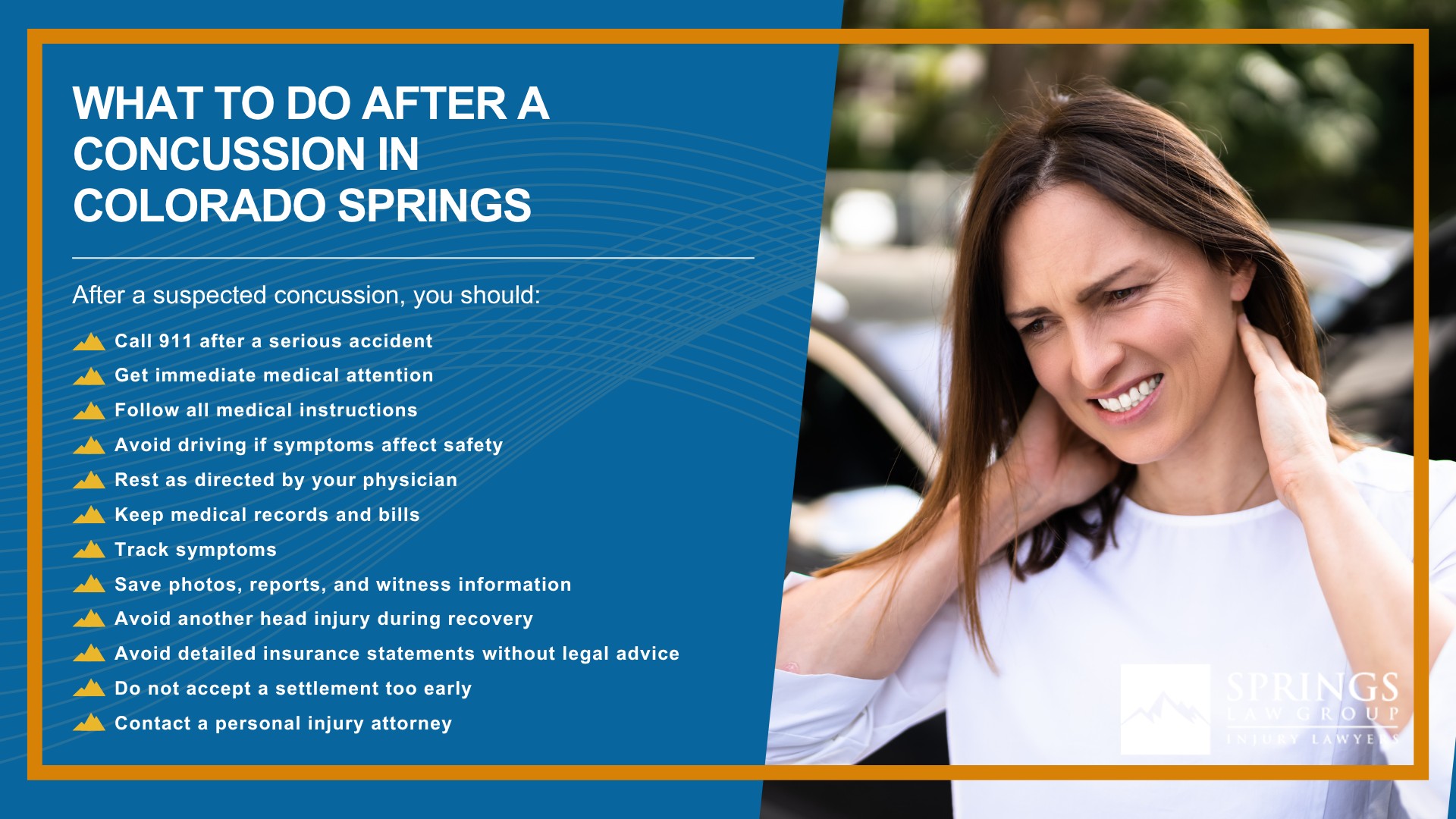
After a suspected concussion, you should:
If symptoms worsen, seek emergency care.
Severe headaches, repeated vomiting, confusion, weakness, seizures, or loss of consciousness may signal a serious injury that needs urgent treatment.
Springs Law Group offers a free consultation to help injury victims understand their legal options after a concussion.
Colorado law affects concussion claims in several ways.
A claim may involve motor vehicle accidents, premises liability, workplace accidents, sports injuries, medical malpractice, product liability, or another area of personal injury law depending on how the injury occurred.
Colorado also applies comparative negligence.
If the injured person is found partly at fault, compensation may be reduced.
If fault is disputed, evidence becomes especially important.
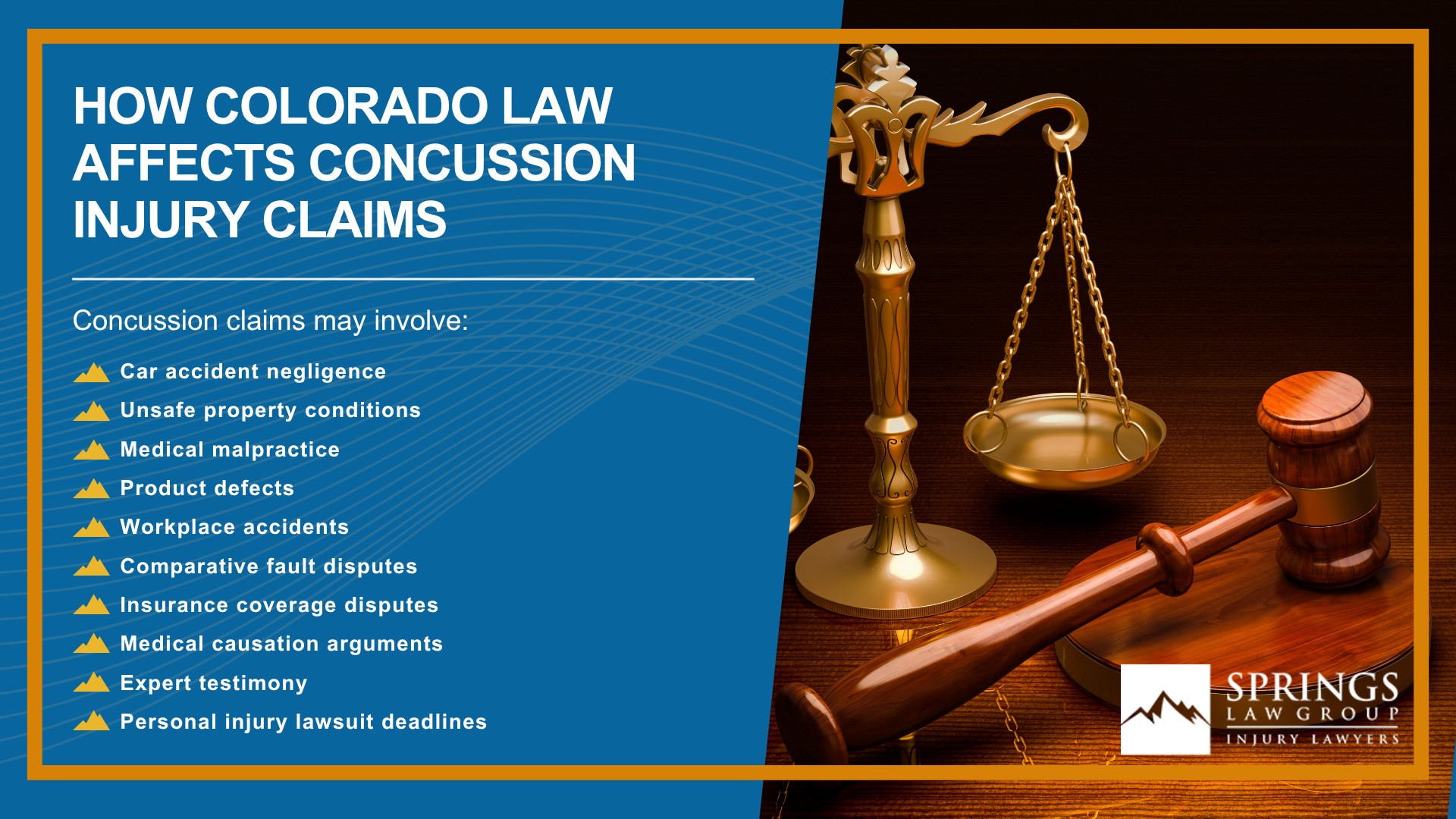
Concussion claims may involve:
Because brain injury law can involve medical and legal complexity, working with traumatic brain injury lawyer can help protect the claim.
The deadline to file a concussion claim depends on the type of case.
In many Colorado motor vehicle accident cases, the deadline to file a lawsuit is generally three years from the date of the crash.
Other personal injury cases may involve a different deadline, and claims involving a government entity or medical malpractice may have additional rules.
You should not wait until the deadline is close.
Evidence can disappear, witnesses may become harder to locate, and medical records are easier to organize when the claim is handled early.
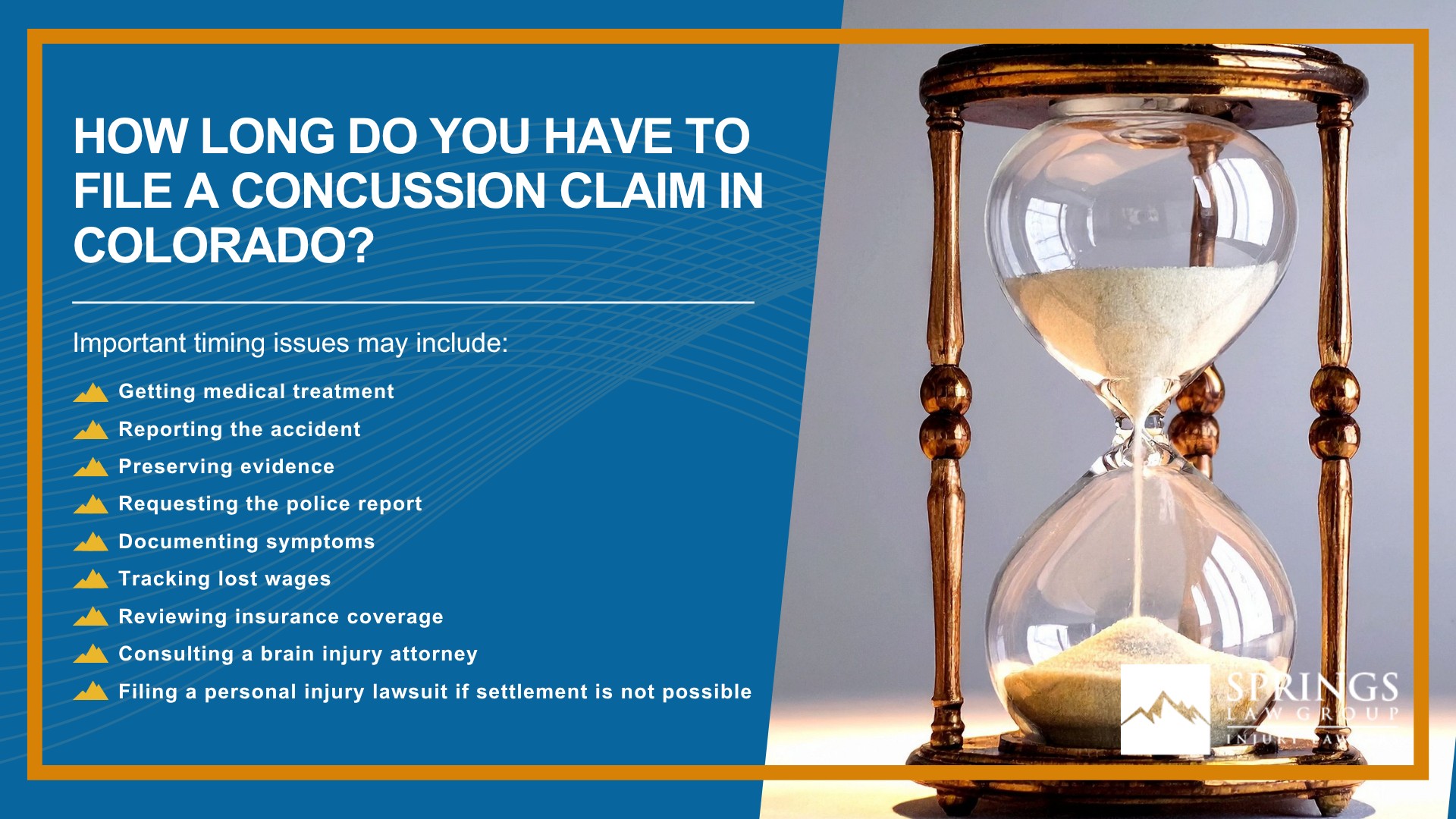
Important timing issues may include:
A Colorado Springs concussion lawyer can review the facts and explain the deadline that may apply to your specific claim.
Concussion claims often involve injuries that are real, disruptive, and medically documented, yet difficult for others to see.
Insurance companies may question symptoms, challenge treatment, or argue that a concussion should have resolved more quickly than it did.
Springs Law Group understands the unique issues that arise in brain injury cases and works to build claims supported by medical records, treatment history, expert opinions, and evidence showing how the injury affected the client’s daily life.
Clients choose Springs Law Group because we provide:
Every concussion case is different.
Springs Law Group takes the time to understand the injury, identify the responsible party, document the client’s losses, and pursue compensation based on the facts and evidence available.
If you suffered a concussion in Colorado Springs, Springs Law Group can help you understand your legal options.
A concussion can affect brain function, work, driving, memory, mood, sleep, and daily life long after the injury occurs.
Whether your concussion was caused by a car accident, auto accident, fall, workplace accident, sports injury, medical malpractice, or another preventable event, our attorneys can review what happened and explain whether you may have a claim.
You may be able to pursue compensation for medical bills, medical treatment, lost wages, physical therapy, occupational therapy, pain and suffering, emotional distress, and other losses caused by the injury.
Contact Springs Law Group today for a free consultation with a Colorado Springs concussion lawyer.
You can also use the chat feature on this page for a free case evaluation.