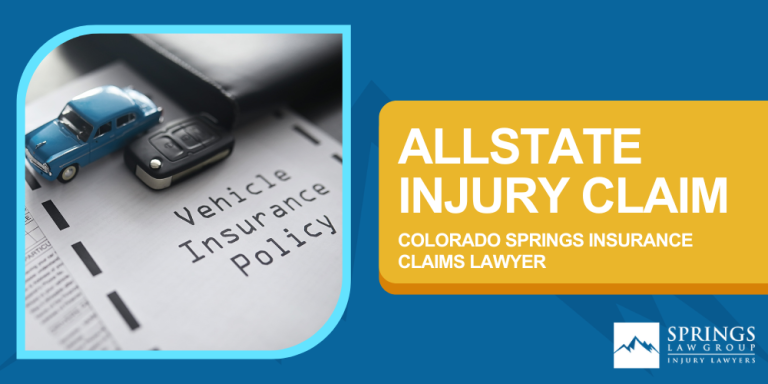

The car accident claim process in Colorado Springs involves documenting the crash, determining fault, evaluating injuries and financial losses, and seeking compensation from the responsible party.
Most claims begin with an insurance investigation and may end in a settlement, although some require a personal injury lawsuit.
The process can take longer when accident victims have serious injuries, disputed liability, or more than one insurance policy involved.
Springs Law Group represents people injured in Colorado Springs car accidents and offers free consultations.

A car accident claim is a request for compensation for injuries, property damage, and other losses caused by a collision.
Colorado is an at-fault state, meaning the person seeking compensation generally must show that another driver’s negligence caused the accident and resulting damages.
An injured person can report a claim to their own insurance company, the other driver’s insurance company, or both, depending on the coverage involved.
The insurance company investigates responsibility and damages, but its preliminary determination does not prevent an injured person from disputing the findings or pursuing a lawsuit.
Medical treatment and evidence collection may continue while the insurance process is underway, and a claim may settle before or after a lawsuit is filed.
If another driver’s negligence caused your injuries, Springs Law Group can investigate the collision, review the available insurance coverage, and pursue compensation supported by the evidence.
Contact us for a free consultation or use the chat feature on this page to discuss your car accident case with a Colorado Springs car accident attorney.
The claims process works differently when liability is disputed, treatment continues for months, or a lawsuit becomes necessary.
Medical care, insurance investigations, and settlement negotiations may overlap.
The first stage is to check for injuries, move to a safer location when possible, and call 911 for an emergency involving injuries or immediate danger.
Colorado law generally requires drivers involved in a crash causing injury, death, or property damage to notify law enforcement, even when an officer does not ultimately investigate the accident.
For non-emergency reporting in Colorado Springs, drivers can contact the Colorado Springs Police Department at 719-444-7000, while qualifying minor collisions can be reported through the city’s cold-reporting process.
If everyone can do so safely, the drivers involved should exchange information, including names, contact details, insurance information, and vehicle details.
Emergency room care may be necessary for serious injuries, and other symptoms should receive timely medical attention even when there are no visible injuries at the accident scene.
An officer’s accident report can provide a useful account of the crash, but a police report does not by itself establish who is legally responsible.
An initial consultation gives an injured person an opportunity to discuss the collision, their medical treatment, and the steps already taken with an insurance company.
A car accident attorney can review the accident report, known injuries, potential fault issues, and any available insurance coverage before recommending how to proceed.
Consultations can also identify urgent concerns, including missing witness information, expiring video footage, or a request for a recorded statement from the other driver’s insurance company.
Some accident victims contact a lawyer before opening an insurance claim, while others seek representation after the insurer disputes fault or makes an early settlement offer.
Springs Law Group can explain the potential claims, applicable deadlines, and whether the firm can represent the injured person.
Evidence helps establish what happened, who may be at fault, and how the car crash caused the reported losses.
An investigation may include evidence collected at the accident scene, such as photographs of vehicle damage, skid marks, debris, traffic signals, road conditions, and visible injuries.
A lawyer may also obtain the police report, contact witnesses, preserve available camera recordings, and review statements from the drivers involved.
Witness statements and photographs can be especially important when the other driver gives a conflicting account or the insurer questions liability.
Vehicle repair estimates, towing records, and other property damage documents help establish the financial effects of the collision.
The injured person or their attorney notifies the applicable insurer and provides an accurate factual account of the collision to open an insurance claim.
A third-party claim generally seeks payment through the at-fault party’s liability insurance, while a first-party claim uses coverage under the injured person’s own policy.
Depending on the circumstances, the injured person may have claims involving the other driver’s insurance company, their own insurance company, or multiple carriers.
Insurance policies commonly require prompt notice, so reporting should not be delayed while waiting for the full extent of the injuries to become clear.
The insurer assigns a claim number and may request the accident report, photographs, insurance information, repair estimates, and medical documentation.
Keep copies of emails, letters, forms, and notes from conversations with insurance adjusters throughout the claim.
Insurance adjusters examine the evidence and make an initial assessment of whether their policyholder is responsible for the crash.
The insurer may review witness statements, police findings, photographs, vehicle damage, and applicable traffic laws before reaching a preliminary determination.
Colorado follows a modified comparative negligence rule, so an injured person’s share of fault may reduce or prevent recovery in a negligence case.
Disputed liability can arise when the drivers describe the collision differently, the evidence is incomplete, or an insurer argues that both motorists contributed to the crash.
When the insurance company refuses to accept responsibility, a lawyer can present evidence of the other driver’s fault and challenge the insurer’s assessment.
Medical records and medical bills show what injuries were diagnosed, which treatments were provided, and how the collision affected the injured person’s daily life.
Supporting medical documentation may include emergency room notes, diagnostic imaging, physician reports, physical therapy records, and recommendations for future medical care.
Pay stubs, employer letters, and time records can help establish lost wages, while receipts and repair estimates can document other out-of-pocket costs and property damage.
Economic damages may include medical expenses, lost income, and other measurable losses, while non-economic damages can address physical pain, emotional distress, and loss of enjoyment of life.
In some cases involving lasting injuries, doctors may assess when a patient has reached maximum medical improvement, meaning the condition is not expected to improve substantially with further treatment.
A person does not always need to reach maximum medical improvement before a claim can be evaluated or settled, but resolving the claim too early may leave future care needs insufficiently documented.
Once the available evidence supports a meaningful assessment of the case, the attorney may send a demand letter to the insurance company.
The letter is a formal request for compensation and typically explains the collision, liability, injuries, medical treatment, financial losses, and amount sought.
An insurer may accept the demand, request more information, dispute particular expenses, or make a lower counteroffer.
Early settlement offers can arrive before the injured person knows the full extent of their injuries, so an offer should be evaluated against the medical evidence and potential future losses.
Car accident settlement negotiations may involve several offers and counteroffers over weeks or months, and a fair settlement depends on the evidence, damages, liability, and available insurance coverage rather than a standard formula.
If settlement negotiations fail, an insurer denies liability, or the parties cannot agree on fair compensation, filing a lawsuit may be appropriate.
A personal injury lawsuit begins with filing a complaint in court and serving the defendant, rather than simply sending another demand to the insurer.
The parties may then exchange records and other evidence through discovery, take depositions, retain expert witnesses where needed, and participate in mediation or additional settlement discussions.
The legal team may need to prepare for trial if the insurer or at-fault party continues to dispute responsibility or the full value of the damages.
Filing a lawsuit does not guarantee financial recovery, and many cases settle after litigation begins without a trial.
A car accident case may conclude when the parties agree on a settlement or a court enters a judgment following litigation.
A settlement generally requires the injured person to sign a release resolving the covered claims, which can restrict the ability to seek more compensation for the same injuries later.
Before accepting an agreement, the parties should understand what claims and insurers the release covers, especially when multiple insurance policies are involved.
After a settlement is funded, attorney fees, agreed case expenses, and applicable medical liens or reimbursement obligations may need to be addressed before the remaining funds are distributed.
If the case proceeds to trial, a judge or jury decides the disputed issues, subject to applicable post-trial procedures and appeals.
Filing deadlines, shared fault, insurance limits, and unpaid medical bills can significantly impact the outcome of a car accident claim.
Under Colorado Revised Statutes § 13-80-101(1)(n), many personal injury lawsuits arising from the use or operation of a motor vehicle must be filed within three years after the claim accrues.
The applicable deadline is not always measured from the accident date, and different notice or filing requirements may apply in cases involving a government entity, wrongful death, or other special circumstances.
Insurance negotiations do not ordinarily stop a lawsuit deadline from running.
Under Colorado Revised Statutes § 13-21-111, an injured person’s damages may be reduced according to their percentage of negligence.
Recovery may be barred when the claimant’s negligence is equal to or greater than the negligence attributed to the person or parties legally responsible under the applicable rule.
Liability disputes are especially important in cases involving conflicting witness accounts, more than one driver, or limited physical evidence.
Evidence gathered early can help address claims that the injured person contributed to the crash.
Colorado requires minimum auto liability insurance of $25,000 per injured person, $50,000 per accident for bodily injuries, and $15,000 for property damage.
Those minimum limits may be inadequate when a crash causes serious injuries or substantial financial losses.
Available insurance coverage can include the other driver’s liability policy and, where applicable, uninsured or underinsured motorist coverage or medical payments coverage through the injured person’s own policy.
Medical bills may become due before the at-fault driver’s insurer agrees to pay a settlement.
Depending on the policies and circumstances, medical payments coverage, health insurance, or payment arrangements with providers may help address medical expenses while the injury claim proceeds.
In Colorado, medical payments coverage (MedPay) may help pay eligible treatment costs regardless of who caused the crash, subject to the policy terms and coverage limits.
An injury claim and a vehicle damage claim may involve different evidence, valuations, and payment arrangements.
Insurers commonly review photographs, repair estimates, vehicle condition, and the applicable policy when deciding what to pay for damaged property.
A vehicle may be declared a total loss when the insurer determines that repairing it would be uneconomical or it cannot be restored to its pre-loss condition.
The insurer generally considers the repair estimate, the vehicle’s actual cash value, and other relevant factors when evaluating a total-loss claim.
The value assigned to the vehicle and the conditions of any property damage release should be reviewed separately from the unresolved bodily injury claim.
Leaving without obtaining contact details, losing witness information, delaying appropriate medical care, and failing to preserve accident evidence can make an insurance claim more difficult to establish.
Inaccurate statements, unsupported admissions of fault, or accepting an early settlement before the losses are understood may also affect a claim.
A request for a recorded statement should be considered carefully, particularly when it comes from the other driver’s insurance company and fault or injuries remain disputed.
Springs Law Group handles qualifying car accident claims on a contingency fee basis rather than charging hourly attorney fees for representation.
The applicable contingency fee percentage, case expenses, and payment obligations are set out in the written fee agreement and should be reviewed before representation begins.
A car accident claim may involve months of medical treatment, disputed fault, financial pressure, and negotiations with one or more insurance companies.
Springs Law Group investigates crashes, collects medical and accident evidence, communicates with insurance adjusters, and prepares claims for settlement or litigation when necessary.
Springs Law Group secured a $125,000 settlement for a client rear-ended at a red light; the recovery exceeded twice the initial third-party insurance offer and included additional compensation through the client’s own policy.
Past results do not predict the outcome of another car accident case.
If you were injured because of another driver’s negligence, contact Springs Law Group for a free consultation to discuss your claim and options for pursuing fair compensation.
You can also use the chat feature on this page to speak with our legal team about what happened.
A claim involving minor vehicle damage and no disputed injuries may resolve relatively quickly, while serious injuries, liability disputes, or future medical care needs can extend the process for months or longer.
There is no fixed timeline for every case, and settlement negotiations can continue while medical records are being collected or after a lawsuit is filed.
The other driver’s insurance company may request a recorded statement, but a third-party claimant is generally not required to agree to an immediate recorded interview merely because an adjuster asks.
Your own insurance policy may impose different cooperation duties, so review those obligations before declining a request from your insurer.
An injured person can challenge the insurer’s assessment, submit additional evidence, negotiate the offer, or consider filing a lawsuit within the applicable legal deadline.
A fair settlement should account for the supported losses, potential legal defenses, and available insurance coverage, rather than treating the first offer as the full value of the case.
Yes, the absence of a police report does not automatically prevent an insurance claim or personal injury lawsuit.
Photographs, witness statements, vehicle damage records, and other evidence may help establish what happened, although drivers must still comply with Colorado’s crash-reporting requirements.
Yes, a case can settle during discovery, mediation, trial preparation, or even after a trial has begun, depending on the circumstances.
Filing a lawsuit starts the court process, but it does not eliminate opportunities to reach an agreed resolution.
An early settlement can be risky when the full extent of the injury, lost wages, or future medical expenses is still uncertain.
An injured person does not necessarily have to reach maximum medical improvement before settling, but the available evidence should support a reasonable assessment of future needs before a final release is signed.
No, a person can report an accident and pursue an insurance claim without hiring an attorney.
Legal representation may be useful when the claim involves serious injuries, disputed liability, limited insurance coverage, or an insurer that declines to offer fair compensation.

Member of the Colorado Bar Association since 2014. Attorney, Christopher M. Nicolaysen focuses primarily on helping those injured in Colorado car accidents, other auto accidents, and Colorado personal injury incidents.
This article has been written and reviewed for legal accuracy and clarity by the team of writers and attorneys at Springs Law Group and is as accurate as possible. This content should not be taken as legal advice from an attorney. If you would like to learn more about our owner and experienced Colorado personal injury lawyer, Christopher Nicolaysen, you can do so here.
Springs Law Group does everything possible to make sure the information in this article is up to date and accurate. If you need specific legal advice about your case, contact us. This article should not be taken as advice from an attorney.
We use reviews to help show more people like you why we do what we do!

I was uneasy about reaching out to a law firm after being in an accident that left me injured and my vehicle totaled. I don’t care for the idea of suing for what was very clearly an accident. However, after learning more about the overall process of working with a professional team to navigate the murky waters of the insurance world, I was pleasantly surprised to find that the experience wasn’t as gross as I’d originally felt about it.

Springs Law is very friendly and professional. I always felt that they were on my side and cared about my injury and what I was going through. I highly recommend them.

Springs Law Group is an amazing group to work with! I got into a rough accident, and they never ceased to let me know they were there working hard to help me in my hour of need. It was always very easy to reach out to someone if I had any questions, and they were always happy to answer any questions I had.
I never have a problem with getting a response when I need them – which is not the case with most other firms. They really truly care about each client. As a plus, they always have positive attitudes, which matters tremendously when you are in a stressful legal situation.
Big thanks to Mr. Jake Kimbell and his team for their assistance with my case. He helped me through an incredibly challenging part of my life, and most importantly helped navigate through the convoluted legal channels of my case. I cannot thank him and his team enough for their support.

The entire team at Springs Law group has been nothing but amazing. Jake and the rest of the staff were great to work with and extremely professional. They were very attentive and answered any questions and concerns I had. I was always able to contact them and they were very responsive and communicated with me.
Springs Law Group is an amazing group to work with! I got into a rough accident, and they never ceased to let me know they were there working hard to help me in my hour of need. It was always very easy to reach out to someone if I had any questions, and they were always happy to answer any questions I had.