
When a driver hits a motorcycle, the rider often pays the physical price while also facing unfair assumptions about speed, visibility, or risk. A Broomfield motorcycle accident lawyer at Springs Law Group can preserve the motorcycle and riding gear, investigate what the driver could see, apply Colorado’s motorcycle laws, and build the injury claim with evidence instead of stereotypes. We handle the insurance and legal work while our client focuses on treatment.
Springs Law Group is a Colorado-founded firm that handles only Colorado cases. We serve injured riders in Broomfield from offices across Central and South Central Colorado. Our lawyers understand that a motorcycle claim is not simply a car case with a different vehicle. Rider visibility, lane position, protective equipment, motorcycle damage, road conditions, and insurance coverage all require specific attention.
Your first consultation is free, confidential, and carries no obligation. An experienced member of our team will listen to what happened, answer initial questions, explain whether we may be able to take the case, and discuss the next steps. Clients work with an attorney and a client-management team, receive a case-roadmap packet, and have scheduled calls plus several ways to reach us. We also have the resources to file suit and prepare for trial if the insurer will not fairly evaluate the evidence.
Call (719) 300-7554 or request a free consultation. There are no upfront attorney fees, and our fee is contingent on making a recovery for you.

Drivers commonly say that they never saw the motorcycle. That statement can help identify the real questions: Where was each vehicle? What should have been visible? Was the driver looking before turning, merging, or opening a door? Did another vehicle, sign, weather condition, or roadway feature affect the sight line? Was the motorcycle’s headlamp operating? Did the driver have enough time and distance to react?
A rider’s choice to use a motorcycle does not prove negligence. Nor does the severity of an injury show who caused the crash. We examine physical evidence, photographs, roadway geometry, video, vehicle damage, electronic data, lighting, witness accounts, and the timing of each movement. When needed, a qualified reconstruction expert can test competing versions of the collision.
Insurance bias can affect both fault and damages. An adjuster may imply that all riders speed, weave through traffic, or accept whatever harm occurs. Those are not substitutes for evidence. We require the carrier to address what happened in this crash and what the injuries have done to this person.
We secure available evidence, deal with the insurance companies, and explain how Colorado personal injury law applies. The goal is a claim based on the driver conduct, medical proof, insurance coverage, and losses in the individual case.
Christopher Nicolaysen has lived in Colorado since 2005 and earned his law degree from the University of Denver Sturm College of Law. He founded Springs Law Group to provide injured clients with direct answers, personal attention, and a clearer legal process. His background as a teacher shaped the firm’s emphasis on explaining the strategy rather than asking clients to accept it without context.
David Hinkle spent more than 20 years handling personal and commercial injury claims for insurance carriers. He understands how adjusters analyze visibility, speed, helmet use, medical causation, prior conditions, wage loss, and policy limits. That perspective helps our attorneys anticipate the arguments a carrier may use against a rider.
We combine attentive client service with trial preparation. The team preserves evidence, tracks deadlines, develops medical proof, and investigates every reasonable source of insurance. If the carrier will not make a fair offer, our trial lawyers can use formal discovery, depositions, inspections, and expert testimony to pursue the case in court.
A driver may turn across a rider’s path at an intersection or driveway after misjudging the motorcycle’s distance or failing to look. Signal timing, sight lines, vehicle positions, video, and impact damage can help reconstruct the event.
Motorcycles can disappear from a poorly adjusted mirror, but a blind spot does not excuse a driver from checking before moving. We examine lane markings, traffic flow, mirror and window visibility, turn signals, phone activity, and the driver’s statements.
A rider stopped at a light or in congestion has little protection from a following vehicle. These crashes can cause ejection, crush injuries, and secondary impacts. Skid marks, video, event data, and the following driver’s attention may be important.
A pothole, loose gravel, metal plate, uneven pavement, missing warning, or unsecured construction material may be manageable for a passenger vehicle but dangerous for a motorcycle. Responsibility can involve a contractor, property owner, maintenance company, or public entity. Government claims can have short notice requirements, so the location and condition should be documented quickly.
When a driver leaves the scene or lacks adequate coverage, camera footage, witness information, plate fragments, vehicle descriptions, and the rider’s own uninsured or underinsured motorist policy can become central to the claim.
For passenger-vehicle collisions, see our Broomfield car accident lawyer page. A crash involving a tractor-trailer, delivery truck, or other commercial vehicle may require the broader company investigation handled by our Broomfield truck accident attorneys.
Colorado requires riders and passengers under 18 to wear a compliant helmet. The Colorado General Assembly summarizes the state’s helmet rule. Adult helmet use may still become an insurance argument, but the carrier must connect any claimed failure to the injuries at issue. It does not automatically establish who caused the collision.
Colorado also has eye-protection requirements for motorcycle operation on public highways. A technical equipment issue should be evaluated separately from the driver’s conduct that caused the crash and from the medical evidence of injury.
Colorado law currently allows limited lane filtering by a two-wheeled motorcycle when traffic is stopped, the road is wide enough, the motorcycle is traveling no more than 15 miles per hour, and conditions permit safe operation. The law prohibits passing on the right shoulder and includes other restrictions. The General Assembly’s summary of SB 24-079 explains the conditions and notes that the authorization is scheduled to repeal on September 1, 2027 unless the legislature acts.
Lane splitting through moving traffic is not the same practice. Because the law is time-sensitive and fact-specific, the date, traffic movement, speed, lane width, and passing position should be established before anyone assumes the rider violated the law.
Colorado uses modified comparative negligence. Under C.R.S. section 13-21-111, a rider’s recovery can be reduced by an assigned share of negligence and can be barred at the statutory threshold. Insurers know that fault percentages affect the result, so we test every allegation against the physical and witness evidence.
The motorcycle should not be repaired, sold, salvaged, or destroyed before the important evidence is documented. Damage patterns, tire condition, lamps, controls, brakes, modifications, and electronic systems may help explain the collision. The helmet, jacket, boots, gloves, and other gear can also show impact locations and forces.
We may seek:
Police reports, photographs, body-camera footage, and dispatch recordings
Traffic, business, residential, dash-camera, or doorbell video
Witness statements and contact information
Motorcycle and vehicle inspections
Vehicle event data, phone records, and navigation information when relevant
Signal timing, roadway design, work-zone, maintenance, or construction records
Medical records, diagnostic imaging, and expert opinions
The Broomfield Police Records Unit provides access to crash reports, police records, and digital media. Depending on the road, Colorado State Patrol or another agency may have investigated. A report is useful, but it may not contain every photograph, video, or later supplement.
Broomfield combines neighborhood streets and commercial corridors with U.S. 36, I-25, the Northwest Parkway, and West 120th Avenue. The Broomfield Police Traffic Unit identifies those routes as areas of focused enforcement. Congestion, merging, speed changes, construction, and weather can produce different visibility and surface issues for riders.
We use local references only when they answer a case question. A roadway name does not prove negligence. The useful evidence is the actual lane configuration, traffic state, sight line, pavement, signal, and vehicle movement at the time of the collision.
CDOT’s motorcycle safety resource reports that riders account for a disproportionate share of Colorado traffic fatalities compared with motorcycle registrations. That vulnerability is one reason a rider’s medical damages and future needs must be evaluated independently of the other vehicle’s visible damage.
Motorcycle crashes can cause traumatic brain injuries, spinal cord damage, fractures, road rash, degloving injuries, internal trauma, amputations, burns, nerve damage, and scarring. Recovery may involve surgery, rehabilitation, future treatment, assistive equipment, and time away from work.
We document medical expenses, wage loss, reduced earning capacity, future care, pain, impairment, disfigurement, emotional distress, and loss of enjoyment of life. For permanent injuries, medical specialists, life-care planners, vocational experts, or economists may be needed to explain the long-term effect.
Compensation may address both the financial losses and the human consequences of the injury. The amount depends on fault, medical causation, future needs, insurance, and the quality of the evidence. It is not determined by a generic motorcycle settlement average.
Insurance coverage also requires careful review. Colorado requires liability insurance, but minimum limits may be inadequate for a severe rider injury. Uninsured or underinsured motorist coverage can be important in hit-and-run and low-limit cases. Medical-payments coverage is not required to be offered for motorcycles in the same way it is for private passenger vehicles, so the actual policy language matters.
Our broader Broomfield personal injury lawyers can also evaluate catastrophic injury, wrongful death, premises liability, pedestrian, bicycle, and other negligence claims.
You do not need to know every policy or prove fault before asking for help. Early legal involvement can protect the motorcycle, gear, video, and witness information. Tell us what happened, what treatment you have received, and where the motorcycle is being stored.
If you or a family member suffered a serious rider injury, we can explain the claim process and whether legal representation may help. You do not have to deal with the insurance dispute alone.
Call (719) 300-7554 or contact Springs Law Group online for a free, confidential, no-obligation consultation. We serve Broomfield riders from offices across Central and South Central Colorado.
Many claims arising from the use or operation of a motor vehicle have a three-year limitation period in Colorado. Exceptions can change the deadline, and a claim involving a government vehicle or dangerous public road may require formal notice much earlier. Video and electronic evidence can disappear long before the lawsuit deadline.
Failure to see a visible motorcycle may support the claim rather than excuse the driver. We examine where the driver was looking, the rider’s position, lighting, sight obstructions, traffic, vehicle mirrors, and the time available to react. Physical evidence and video may be more reliable than either person’s first estimate.
Helmet use does not determine who caused the collision. For an adult rider, the insurer may argue that helmet use affected a particular head injury, but that requires medical and factual support. It has no logical connection to many other injuries. Colorado requires a helmet for riders and passengers under 18.
Limited lane filtering is currently authorized when traffic is stopped, the roadway is wide enough, the motorcycle travels at 15 miles per hour or less, and the other statutory conditions are met. Passing on the right shoulder and certain other maneuvers remain prohibited. The law is scheduled to repeal on September 1, 2027 unless changed, so the collision date matters.
Possibly. A driver’s unsafe turn, lane change, or entry can force a rider to brake, swerve, or lay the motorcycle down without contact. The claim still requires proof of the driver’s conduct and causation. Video, witnesses, debris, vehicle descriptions, and prompt reporting can be especially important.
Partial fault does not automatically defeat a Colorado claim. A recovery may be reduced by the rider’s percentage of negligence, but reaching the statutory threshold can bar recovery. We investigate each allegation instead of accepting assumptions about the rider.
We review the rider’s uninsured or underinsured motorist coverage, household policies, umbrella coverage, employer or commercial policies, and other responsible parties. Hit-and-run claims can have policy-specific reporting and cooperation requirements, so notify the appropriate insurer promptly without giving a speculative account.
Value depends on fault, injuries, treatment, future care, work loss, permanent limitations, scarring, available insurance, and the quality of the evidence. The motorcycle’s repair cost does not measure the rider’s bodily harm. We evaluate the claim after enough medical and legal information is available.
Many cases settle, but rider bias, disputed visibility, comparative fault, and serious damages can lead to litigation. A lawsuit allows formal access to records, testimony, and inspections. We prepare the evidence so that trial remains an available option.
Broomfield County has multiple lawyers available, so compare law offices based on motorcycle-specific experience, communication, evidence preservation, insurance analysis, litigation resources, and fees. Learn who will handle the daily work and find a team that is easy to reach. Keep in mind that clear answers and a written plan matter more than a slogan or rating.
Confirm the lawyer’s Colorado license and public disciplinary history through the state’s attorney-regulation system. You should understand the written fee agreement and feel comfortable asking questions before signing.
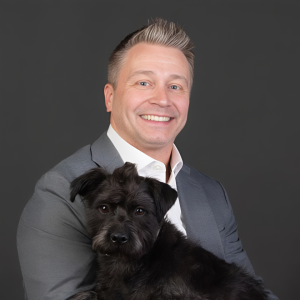
Member of the Colorado Bar Association since 2014. Attorney, Christopher M. Nicolaysen focuses primarily on helping those injured in Colorado car accidents, other auto accidents, and Colorado personal injury incidents.
This article has been written and reviewed for legal accuracy and clarity by the team of writers and attorneys at Springs Law Group and is as accurate as possible. This content should not be taken as legal advice from an attorney. If you would like to learn more about our owner and experienced Colorado personal injury lawyer, Christopher Nicolaysen, you can do so here.
Springs Law Group does everything possible to make sure the information in this article is up to date and accurate. If you need specific legal advice about your case, contact us. This article should not be taken as advice from an attorney.
We use reviews to help show more people like you why we do what we do!

I was uneasy about reaching out to a law firm after being in an accident that left me injured and my vehicle totaled. I don’t care for the idea of suing for what was very clearly an accident. However, after learning more about the overall process of working with a professional team to navigate the murky waters of the insurance world, I was pleasantly surprised to find that the experience wasn’t as gross as I’d originally felt about it.

Springs Law is very friendly and professional. I always felt that they were on my side and cared about my injury and what I was going through. I highly recommend them.

Springs Law Group is an amazing group to work with! I got into a rough accident, and they never ceased to let me know they were there working hard to help me in my hour of need. It was always very easy to reach out to someone if I had any questions, and they were always happy to answer any questions I had.
I never have a problem with getting a response when I need them – which is not the case with most other firms. They really truly care about each client. As a plus, they always have positive attitudes, which matters tremendously when you are in a stressful legal situation.
Big thanks to Mr. Jake Kimbell and his team for their assistance with my case. He helped me through an incredibly challenging part of my life, and most importantly helped navigate through the convoluted legal channels of my case. I cannot thank him and his team enough for their support.

The entire team at Springs Law group has been nothing but amazing. Jake and the rest of the staff were great to work with and extremely professional. They were very attentive and answered any questions and concerns I had. I was always able to contact them and they were very responsive and communicated with me.
Springs Law Group is an amazing group to work with! I got into a rough accident, and they never ceased to let me know they were there working hard to help me in my hour of need. It was always very easy to reach out to someone if I had any questions, and they were always happy to answer any questions I had.