
A driver who fails to look before turning, changing lanes, or entering traffic can leave a motorcyclist with life-changing injuries. A Brighton motorcycle accident lawyer at Springs Law Group can handle the insurance and legal work while you focus on care. We preserve the motorcycle and digital evidence, investigate visibility and right of way, document the injuries and financial losses, identify available coverage, and prepare the case for court when a fair settlement is not available.
Springs Law Group is a Colorado-founded and Colorado-based personal injury law firm that serves clients across the state. We assist Brighton motorcycle riders from offices across Central and South Central Colorado. Clients receive direct attorney guidance, support from a client-management team, a case-roadmap packet, scheduled calls, and several ways to reach us. Our lawyers have the resources to work with qualified experts and take a serious rider case to trial without sacrificing personal attention.
The initial consultation is free, confidential, and carries no obligation. An experienced team member will listen, answer immediate questions, explain whether we may be able to accept the case, and identify useful preservation steps. Accepted motorcycle accident cases are generally handled under a written contingency-fee agreement, so there is no upfront hourly attorney fee.

A motorcycle’s narrow profile can become an excuse when a driver says, “I never saw the rider.†An insurance adjuster may also raise speed, lane position, protective gear, or reaction time before reviewing all the evidence. Those assumptions do not establish fault. We examine sight lines, lighting, obstructions, how long the motorcycle was visible, vehicle damage, road evidence, video, witnesses, and the law in effect on the crash date.
Colorado motorcycle rules differ from those governing passenger vehicles. Helmet use, eye protection, lane filtering, licensing, lighting, passenger equipment, and road position may become relevant. A violation does not automatically decide every issue, and lawful riding does not stop an insurer from disputing responsibility. The facts and the connection between alleged conduct and the injury must be examined carefully.
Attorney David Hinkle spent more than 20 years handling personal and commercial injury claims for insurers before becoming a lawyer. He understands how adjusters assess visibility, medical causation, prior conditions, policy limits, and settlement authority. Founder Christopher Nicolaysen built Springs Law Group around clear explanations, regular communication, and serious preparation for negotiation or litigation.
Brighton serves as the Adams County seat and extends into Weld County. The exact crash location determines the responding agency, road authority, available records, and possible court venue. A Brighton mailing address does not always establish that Brighton police investigated or that the Adams County courthouse is the correct venue.
The Brighton Police Department’s public-records page explains access to crash reports when Brighton officers responded. A collision handled by the Colorado State Patrol, a sheriff, or another police department requires a request to that agency. A report can provide statements, insurance information, citations, and a diagram, but it does not conclusively determine civil fault.
Brighton’s Transportation Master Plan addresses the city’s developing local and regional multimodal network. Growth, congestion, or a named road does not prove negligence. Location details can identify the agency, business, construction contractor, or camera system that may possess signal information, plans, inspection records, photographs, or video.
A driver may turn across a rider’s lane at an intersection, driveway, or business entrance. The investigation can involve timing, speed, sight distance, turn position, vehicle damage, traffic controls, and how long the motorcycle was available to be seen.
Drivers may fail to check mirrors and blind areas before moving into a rider’s lane. Video, witness statements, scrape patterns, signal use, road markings, phone information, and final vehicle positions may help reconstruct the movement.
A rider stopped at a light or in congestion has little protection from a rear impact. The motorcycle may be pushed into another vehicle or the rider may be thrown. Following distance, distraction, braking data, vehicle damage, and dash-camera footage can matter.
A vehicle exiting a driveway or parking space may enter the motorcycle’s path. An occupant may also open a door into a rider’s lane. Property video, sight obstructions, positioning, warning signals, and witness testimony can help establish what was visible and when.
Loose material, uneven pavement, standing water, missing warnings, a defective tire or brake component, or unsafe work-zone control can be especially dangerous on two wheels. Government notice rules, maintenance records, product evidence, and expert inspection may become relevant. An optional claim should not be made without evidence connecting the condition or product to the crash.
Nearby video, debris, witness details, plate information, and prompt reporting may help identify a fleeing driver. Reckless driving, impairment, or an intentional flight can create separate evidence issues. If the vehicle is not found or has inadequate insurance, uninsured or underinsured motorist coverage may provide another recovery source. Those insurance claims can still involve disputes over notice, fault, contact, and damages.
For a passenger-vehicle claim, visit our Brighton car accident lawyer page. Commercial-vehicle cases are addressed by our Brighton truck accident attorneys. Our Brighton personal injury lawyers handle other negligence claims.
The Colorado General Assembly’s motorcycle helmet summary explains that adult riders generally are not required to wear helmets, while riders and passengers under 18 must. Colorado requires eye protection for operators, and a motorcycle windshield alone does not satisfy that requirement. Helmet nonuse does not cause another driver to violate the rider’s right of way. Any argument about a particular head injury must be supported by medical evidence.
Colorado’s lane-filtering law permits limited movement between lanes when same-direction traffic is stopped, conditions are safe, the lanes are wide enough, and the motorcycle does not exceed 15 miles per hour. Filtering between moving vehicles, using the shoulder, and unsafe passing remain prohibited. The current law contains a scheduled repeal, so the rule in effect on the incident date must be checked.
Under C.R.S. section 13-21-111, an injured person whose negligence is less than the combined negligence of the defendants may recover, with damages reduced by that percentage. A claimant who is equally or more at fault is barred. Speed, signaling, road position, visibility, or filtering arguments should be evaluated against the physical evidence and applicable law.
Do not authorize salvage, disposal, or destructive testing until the motorcycle has been considered for inspection. The bike may contain impact marks, tire evidence, lighting information, control damage, or a failed component. Keep the helmet and other protective gear in their post-crash condition. Photograph them, but do not clean or repair them.
Preserve original phone photographs, camera files, route or navigation data, messages, maintenance records, repair receipts, and information about aftermarket parts. Nearby businesses, homes, transit vehicles, and motorists may have video that is overwritten quickly. The evidence plan should also identify the driver’s phone, vehicle data, insurance, employer, and any relevant government or construction records.
Accident-reconstruction or mechanical experts may need to inspect the motorcycle and other vehicles. Specialized analysis can address speed, visibility, braking, mechanical failure, road design, or the sequence of impacts. Not every case requires an expert. The expected value of the analysis should justify its cost.
Motorcycle crashes can cause traumatic brain injury, spinal cord damage, fractures, internal trauma, road rash, degloving injuries, nerve damage, amputation, scarring, or psychological harm. Treatment may include surgery, skin grafting, rehabilitation, counseling, prosthetics, or long-term pain care. The effect on work can be substantial when a job requires lifting, balance, driving, or physical endurance.
Depending on the proof and available insurance, an injured rider may recover compensation for reasonable medical expenses, future care, lost wages, reduced earning capacity, motorcycle property damage, pain, impairment, inconvenience, disfigurement, and loss of enjoyment of life. We gather medical and employment records, photographs, bills, tax documents, repair or replacement information, and testimony about daily limitations.
The Colorado Division of Motor Vehicles lists minimum liability limits of $25,000 per injured person, $50,000 per accident for two or more injured people, and $15,000 for property damage. A minimum policy may be inadequate for severe rider injuries. We investigate liability, employer, commercial, uninsured or underinsured motorist, medical-payments, and other applicable coverage.
Our team handles insurer communications, evidence requests, filings, and deadlines so the client can focus on treatment. Clients know who is managing the case, receive scheduled updates, and can request more frequent contact when needed. When the medical outlook is sufficiently developed, we prepare a demand supported by the liability evidence, treatment, expenses, income loss, future needs, and other harm.
If settlement discussions do not produce a fair result, our attorneys can file suit, conduct discovery, take depositions, work with qualified experts, and prepare for trial. Filing a lawsuit does not prevent a later settlement. The client retains authority to accept or reject every offer.
When a motorcycle accident causes the death of a loved one, eligible family members may have a wrongful-death claim and the estate may have a related survival claim. These claims have rules concerning who may file, when the claim may be brought, and what losses are recoverable. Funeral expenses, lost financial support, and qualifying noneconomic losses may be involved. Prompt legal assistance is important because the filing period is generally shorter than the deadline for an ordinary motor-vehicle injury claim.
Call (719) 300-7554 or request a free, confidential consultation. We can discuss immediate evidence concerns, insurance coverage, and whether Springs Law Group can accept the case. The written contingency-fee agreement explains the percentage, expenses, and when a fee is owed.
Call 911, move to safety if possible, and seek medical care. Photograph the scene, vehicles, road, traffic controls, debris, motorcycle, helmet, gear, and injuries when it is safe. Obtain witness information, preserve camera files, keep the report number, and do not authorize disposal or destructive inspection of the motorcycle before the evidence is evaluated.
C.R.S. section 13-80-101 generally provides three years for actions arising from the use or operation of a motor vehicle. Earlier or different rules may apply to public entities, defective products, wrongful death, minors, and other circumstances. Evidence can disappear well before the filing deadline.
Failing to see a visible rider does not automatically excuse the driver. The investigation may examine lighting, obstructions, sight lines, traffic, how long the motorcycle was available to be seen, and whether the driver checked before turning or changing lanes. Video, witnesses, impact evidence, and human-factors analysis may help.
An adult generally may ride without a helmet in Colorado. Helmet nonuse does not cause a driver to violate the rider’s right of way. An insurer may separately argue whether a helmet would have affected a specific head injury. That issue depends on medical proof and applicable law and does not automatically bar the claim.
Limited filtering is currently legal when same-direction traffic is stopped, the lanes are wide enough, conditions are safe, and the motorcycle does not exceed 15 miles per hour. Filtering between moving vehicles, using the shoulder, and unsafe passing remain prohibited. Check the rule in effect on the crash date because the statute contains a scheduled repeal.
Yes. A driver may force a rider to brake, swerve, or leave the road without physical contact. Proving the conduct and vehicle identity may be difficult, so video, witnesses, debris, marks, app data, and prompt reporting matter. Uninsured motorist coverage may impose additional notice and proof requirements.
Uninsured or underinsured motorist coverage may apply when the driver has no insurance, insufficient limits, or cannot be identified after a hit-and-run. Coverage may depend on the motorcycle policy and potentially other household policies. Prompt notice and a complete policy review are important.
Value depends on fault evidence, the injuries and prognosis, medical costs, future care, lost income, permanent impairment or scarring, pain, available coverage, liens, and comparative negligence. A serious rider case should not be reduced to a multiple of medical bills or an online calculator.
The consultation is free. Accepted motorcycle accident cases are generally handled under a contingency-fee agreement. There is no upfront hourly attorney fee. The written agreement explains the percentage, expenses, and when a fee is owed.
Many cases settle through negotiation or mediation, but litigation may be necessary when fault, visibility, medical causation, damages, or coverage is disputed. Filing suit allows formal discovery, inspections, depositions, and expert testimony. We prepare the evidence for both settlement and trial decisions.
Ask whether the personal injury attorney regularly handles motorcycle accident cases, understands how claims involving motorcycle riders differ from ordinary auto accidents, and can explain Colorado’s rider-specific rules. Experienced attorneys should discuss evidence preservation, insurance claims, expert needs, direct communication, and trial preparation without guaranteeing a result. A motorcycle case should not be handled exactly like a car accident or other personal injury cases because visibility, vehicle dynamics, protective gear, and rider bias can change the investigation.
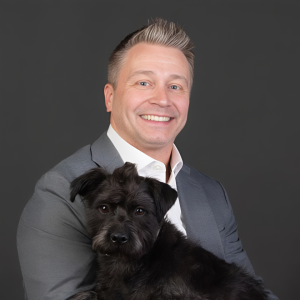
Member of the Colorado Bar Association since 2014. Attorney, Christopher M. Nicolaysen focuses primarily on helping those injured in Colorado car accidents, other auto accidents, and Colorado personal injury incidents.
This article has been written and reviewed for legal accuracy and clarity by the team of writers and attorneys at Springs Law Group and is as accurate as possible. This content should not be taken as legal advice from an attorney. If you would like to learn more about our owner and experienced Colorado personal injury lawyer, Christopher Nicolaysen, you can do so here.
Springs Law Group does everything possible to make sure the information in this article is up to date and accurate. If you need specific legal advice about your case, contact us. This article should not be taken as advice from an attorney.
We use reviews to help show more people like you why we do what we do!

I was uneasy about reaching out to a law firm after being in an accident that left me injured and my vehicle totaled. I don’t care for the idea of suing for what was very clearly an accident. However, after learning more about the overall process of working with a professional team to navigate the murky waters of the insurance world, I was pleasantly surprised to find that the experience wasn’t as gross as I’d originally felt about it.

Springs Law is very friendly and professional. I always felt that they were on my side and cared about my injury and what I was going through. I highly recommend them.

Springs Law Group is an amazing group to work with! I got into a rough accident, and they never ceased to let me know they were there working hard to help me in my hour of need. It was always very easy to reach out to someone if I had any questions, and they were always happy to answer any questions I had.
I never have a problem with getting a response when I need them – which is not the case with most other firms. They really truly care about each client. As a plus, they always have positive attitudes, which matters tremendously when you are in a stressful legal situation.
Big thanks to Mr. Jake Kimbell and his team for their assistance with my case. He helped me through an incredibly challenging part of my life, and most importantly helped navigate through the convoluted legal channels of my case. I cannot thank him and his team enough for their support.

The entire team at Springs Law group has been nothing but amazing. Jake and the rest of the staff were great to work with and extremely professional. They were very attentive and answered any questions and concerns I had. I was always able to contact them and they were very responsive and communicated with me.
Springs Law Group is an amazing group to work with! I got into a rough accident, and they never ceased to let me know they were there working hard to help me in my hour of need. It was always very easy to reach out to someone if I had any questions, and they were always happy to answer any questions I had.